

Handyman · Websites
Handyman websites that make hiring you easy
Homeowners looking for a handyman want three answers fast: do you do this job, roughly what will it cost, and when can you come. We build handyman sites that answer all three on the first screen and make sending a photo for a quote easy.
The short version
What should a handyman website have?
A handyman website should load fast on a phone, list the specific jobs you do and the ones you don’t, and give a price range or minimum charge so homeowners know what to expect. It should let people send a photo of the job for a quote, show which neighborhoods you serve, and include real photos of finished work and recent reviews. Every call, form and photo quote should be tracked, so you can see which job pages book work.
- Built on
- WordPress
- Best for
- Handyman businesses whose site gets visits but not booked jobs
- Must-haves
- Job list, pricing guidance, photo quotes, service area, reviews
- What we measure
- Calls, forms and photo quotes per visit, by page
What goes on a page that books
What a handyman page shows before the scroll
If a homeowner can’t tell whether you do their job and how to get a price, they hit back and call the next handyman. This is the layout we start from.
- 1Tap-to-call numberAlways one tap away at the top of the screen.
- 2Service + city headlineTells homeowners and Google what you do and where.
- 3Recent reviewsStar rating, review count and a photo of real finished work.
- 4Send a photoHomeowners snap a photo of the job to get a quote, or book a visit instead.
- 5Why youShort, specific reasons to pick you, like clear pricing, the whole to-do list in one visit and full insurance.
What makes handyman different
What a handyman site has to answer first
- 01
Ask about the job first
Homeowners want to know right away whether you handle their job. A clear list of the jobs you do, and the ones you don’t, saves wasted calls on both sides.
- 02
Photos replace site visits
Letting homeowners send a picture of the job means faster quotes and fewer drives to look at a two-hour fix.
- 03
Pricing guidance builds trust
With most handyman projects between $150 and $600 (Fixr), a stated minimum or price range tells homeowners what to expect and filters out jobs too small to be worth the trip.
What we do
What goes into a handyman website
- 01
Job pages
TV mounting, drywall repair, doors, fixtures, decks and more, each with its own page, photos and way to get a quote.
- 02
Neighborhood pages
A page for each area near your crews, with local reviews and jobs you’ve done nearby.
- 03
Pricing guidance
Your minimum charge, hourly rate or typical ranges, so homeowners know what to expect before they call.
- 04
Photo quotes
A short form that lets homeowners upload a picture of the job, connected to your CRM where possible.
- 05
Speed
Pages built lean and checked against Google’s Core Web Vitals before launch.
- 06
Tracking
Calls, forms and photo quotes tracked by page and source from launch day.

Results
Results from our clients
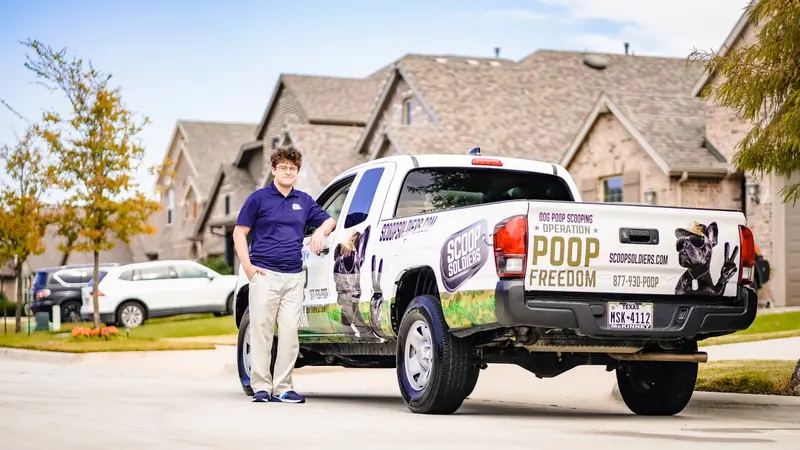
Scoop Soldiers · Conversion + tracking
24% more clients in 14 days
A three-step signup became one instant form. Nearly the same ad spend, 19% lower cost per client and 44% more leads.
Read the case study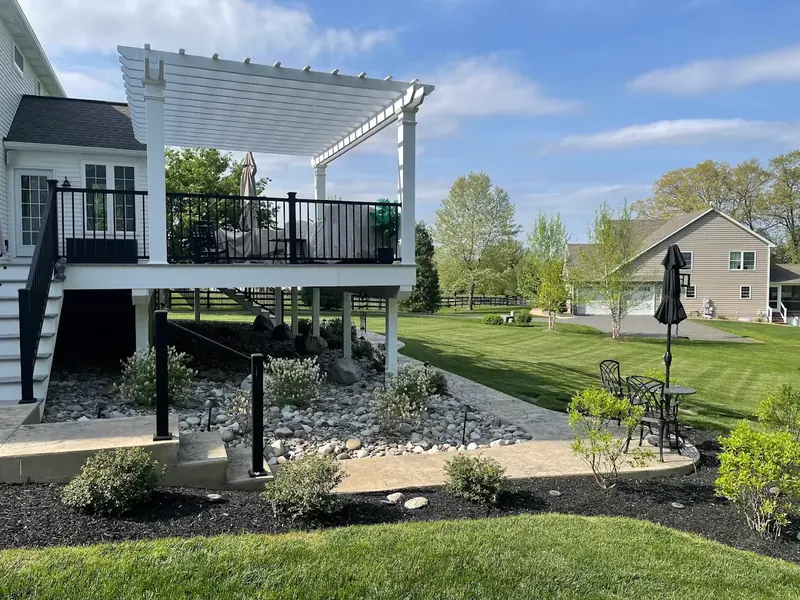
Showcase LawnWorks · Ads + local SEO
Lawn care revenue up 95%
Their recurring lawn care program went from about $60K to about $117K in one season. Average customer value rose 36%, to $2,358.
Read the case study“You always get direct and quick responses as well as a clear professional who is passionate and knowledgeable at what they do.”
 EJ McCoyCEO, Scoop Soldiers
Rather do it yourself?
The handyman website playbook is free
The basics we start from, written down for owners who want to manage their website in-house.
Questions we get
Handyman website FAQ
Should a handyman website show prices?
A minimum charge, hourly rate or typical range is usually enough. Fixr puts the average handyman project at $300 and a common minimum at $130. Showing yours answers the first question homeowners have and filters out jobs that aren’t worth the drive, without quoting a job you haven’t seen.
Can customers get a handyman quote by sending a photo?
Yes, and it’s one of the most useful things a handyman site can have. A short form with a photo upload lets you quote many small jobs without a site visit. Keep it short: when Scoop Soldiers turned a three-step signup into one instant online sign-up, they got 24% more clients in 14 days.
Should my site list jobs I don’t do?
Yes, briefly. Saying you don’t take on major electrical, plumbing or roofing work saves wasted calls and makes the list of jobs you do more believable. It also helps if your state limits what a handyman business can do without a trade license.
Will a new website hurt my Google rankings?
Not if it’s handled right. We redirect every old URL to its new page, keep the content that ranks and submit the new sitemap to Google Search Console. Job and neighborhood pages that already bring calls keep their addresses wherever possible.
What makes a handyman website convert?
Speed on a phone, a clear answer to whether you do the job, an easy way to get a price and recent reviews from nearby homeowners. 97% of consumers read reviews for local businesses (BrightLocal, 2026), so put them next to the quote button.

Work with us
Let’s build a site that books more of your jobs
Pick a 30-minute slot. We’ll come with questions about your territory and crews.